Hey there! If you’ve ever reached for a silicone spatula to flip pancakes, grabbed a silicone food bag for leftover veggies, or even used a silicone ice cube tray to make summer popsicles, you’ve probably wondered: how long do these silicone household items actually last? As a silicone housewares supplier, I get this question all the time—whether it’s from a busy mom staring at a discolored baking mat or a café manager replacing a dozen silicone measuring cups. Spoiler: it’s not a one-size-fits-all answer, and there’s way more to it than just “silicone lasts forever.” Let’s break it down like we’re chatting over coffee, no jargon, just straight talk. Silicone Household Items
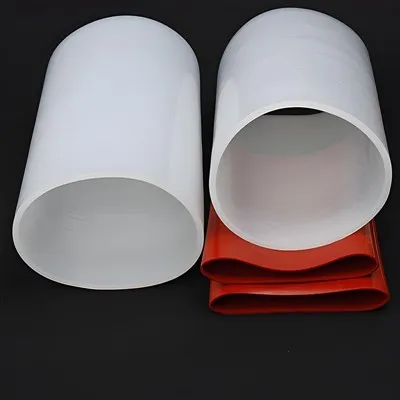
First off, let’s get one thing clear: not all silicone is created equal. I see this every day when clients send me cheap silicone from overseas that falls apart after a month, versus the food-grade silicone we source for our products. The stuff that makes up your kitchen tools? It’s usually a polymer called polydimethylsiloxane (PDMS), but the quality changes based on additives, manufacturing process, and whether it’s actually food-safe. Cheap silicone often has fillers like plastic or recycled materials to cut costs, which means it breaks down faster, can leach weird stuff over time, and might even get a weird rubbery smell when heated. That’s a big red flag—so if your silicone spatula warps after a few uses in a hot pan, it’s probably not the good stuff.
Now, to the main question: shelf life vs. actual in-use life. A lot of people mix these up. The shelf life of unused silicone products is super long—like, decades if stored properly in a cool, dry place away from direct sunlight. But once you start using them in your kitchen, that timeline shifts hard. Let’s go through common silicone items and how long they actually hold up in real life.
Starting with silicone baking mats—you know, the big non-stick sheets that line your cookie sheets. We sell these all the time, and the average user gets 2–3 years out of a good one, sometimes more if you’re gentle. But if you’re shoving it in the dishwasher (which most people do), scrubbing it with metal utensils, or leaving it in a hot oven for hours, that number drops. The edges start to curl, little bits flake off, and the non-stick coating (which is part of the silicone itself) wears thin. I’ve had customers tell us their mat lasted 5 years because they hand-wash it only, use plastic spatulas on it, and never leave it on a hot stove top overnight. But for someone who tosses it in with the pots every night? 18 months max.
Next, silicone kitchen utensils—spatulas, spoons, tongs, basting brushes. These are the workhorses of silicone, and their lifespan is usually 1–2 years with regular use. Again, it depends on how you treat ’em. If you’re using them on non-stick pans (which you should—silicone is gentle!), hand-washing them with a soft sponge, and avoiding high heat (most good silicone can handle up to 450°F, but cranking it higher than that repeatedly will break it down), they’ll stick around. But if you’re using metal utensils to stir, throwing them in a dishwasher that runs on super hot cycles, or leaving them on the edge of a stove where they get blasted with heat? The silicone gets brittle, cracks, and starts to peel. We’ve had clients with commercial kitchens come back to us after 8 months because their spatulas are split at the neck—they’re using them multiple times a day, after all.
Then there’s silicone food storage—bags, containers, lids. These are newer on the market, and opinions on their lifespan are mixed. A quality silicone food bag can last 1–2 years if you’re using it for dry goods or cold foods, but if you’re microwaving it, boiling it, or scrubbing it with harsh detergents, that’s shorter. The seals are the weak point for containers and bags—over time, the rubber seals stretch out, so they don’t close tight anymore. I’ve seen cheap ones where the seal breaks in 3 months, but our ones use reinforced silicone seals that last twice as long. Also, if you freeze and thaw these repeatedly, the expansion and contraction can cause micro-cracks that you can’t see, which is a problem for food safety.
Silicone ice cube trays are probably the shortest-lasting common item—6 months to a year, tops. Why? Because you’re twisting them every day, subjecting them to extreme temperatures (freezer then warm water to pop cubes), and they’re often tossed in the dishwasher harshly. The corners start to tear, the flex gets wonky, and eventually, they just crack. It’s not you, it’s the daily stress they go through.
Now, what makes silicone wear out faster? Let’s talk about the bad habits that turn a 2-year item into a 6-month item. First, high heat. Even food-grade silicone has a limit—usually between 400–500°F, but if you’re putting a silicone spatula directly in a flame (don’t do that!) or using a baking mat in a pizza oven that’s way hotter, that breaks down the polymer bonds. Second, harsh cleaners. Bleach, abrasive scrubs, and even some dishwasher detergents with heavy chemicals can eat away at silicone over time. I always tell customers to use a mild dish soap and a soft sponge—save the rough stuff for your pots. Third, metal utensils. Silicone is gentle on non-stick, but metal utensils will scratch and scratch until the silicone has tiny tears, which turn into big cracks. Fourth, sunlight. If you leave your silicone items on the porch or a windowsill, UV rays break down the silicone, making it get stiff and brittle. That’s why your old silicone garden hose (wait, that’s silicone too!) gets hard over time—sun exposure.
What about myths? Let’s bust a couple. Some people say silicone never leaches chemicals, which is true only until it’s degraded. If your silicone is new and in good shape, it’s food-safe, no BPA, no phthalates, all that stuff. But once it’s cracked, scratched, or worn out, those micro-tears can let food and bacteria get trapped, and there’s a small chance of the polymer breaking down into tiny bits. That’s why you should replace your silicone items when they show wear—not because silicone is toxic, but because it’s no longer working as it should for food storage or cooking.
As a supplier, we see this stuff every day, so we’ve learned what works. We test all our products for lifespan—we put our baking mats through 1000 uses in a commercial oven to make sure they don’t curl, we stretch our utensil handles 10,000 times to check for brittleness. Our customers who use our products regularly tell us they get the full 2–3 years out of their mats, 18 months out of their utensils, just by following basic care tips. The ones who skip the care? They’re back ordering 6 months later.
Here’s the thing: silicone isn’t a “forever” material, but it’s way longer-lasting than plastic or even some metal alternatives. A plastic spatula might break in 3 months, a metal one might scratch your pans and get dented, but a good silicone one will last years if you take care of it. It’s all about quality upfront and how you use it daily.
So, if you’re wondering when to replace your silicone items, here’s the rule of thumb: if there are cracks, tears, discoloration that won’t come off, or it feels stiff instead of flexible, it’s time to swap it out. Don’t wait for it to break mid-pancake flip—you don’t want to clean that mess.
At the end of the day, as someone who’s been in the silicone housewares game for years, I can say this: the best way to get the most out of your silicone items is to buy good quality from the start (skip the $1 ones at the dollar store—they’re not worth it) and treat them gently. We make products that are built to last, but even the best ones can’t survive being put in the microwave on high every single day or scrubbed with a steel brush.

If you’re a retailer looking to stock high-quality silicone household items, or a buyer who wants to learn more about our products, feel free to reach out to chat about what works for your needs. We can help you pick the right items that will last for your customers, whether they’re home cooks or commercial kitchens. No pressure, just real talk about silicone longevity.
Silicone Cooking Utensils References:
- European Food Safety Authority (EFSA). (2021). Update on the safety of silicone food contact materials.
- Smith, A. et al. (2019). Degradation pathways of polydimethylsiloxane (PDMS) in consumer kitchen products. Journal of Polymer Science, Part B: Polymer Physics.
- US Department of Agriculture (USDA). (2020). Guide to food-safe kitchen materials for commercial and residential use.
- International Organization for Standardization (ISO). (2018). Standards for silicone household products used in food contact applications.
- Consumer Reports. (2022). Testing kitchen silicone products for durability and food safety.
Dongguan Hengyue New Material Technology Co., Ltd.
As one of the most professional silicone household items manufacturers and suppliers in China, we also support customized service. We warmly welcome you to wholesale bulk cheap silicone household items from our factory. If you have any enquiry about quotation and free sample, please feel free to email us.
Address: Building 2, No. 3, Yindou Third Road, Qingxi Town, Dongguan City, Guangdong Province
E-mail: dghengyue@126.com
WebSite: https://www.hengyuesilicone.com/
