If you’re in the market for cosmetic packaging—whether you’re a small indie brand launching your first serum or a multinational beauty giant revamping your entire line—you know the cap isn’t just a functional afterthought. I’ve spent the last 12 years as a cosmetic bottle supplier, working side-by-side with formulators, designers, and supply chain teams, and I’ve lost count of how many times I’ve heard, “We just need a cap that doesn’t leak.” But over time, I’ve learned the best caps balance protection, brand identity, user experience, and sustainability—all starting with the right material. Cosmetic Bottle

Today, I want to break down the most common materials for cosmetic bottle caps, explain why each matters, and share what I’ve seen work (and what’s worth avoiding) in the decade and a half I’ve been in this business. This isn’t just a list of plastics or metals; it’s about understanding why a cap feels like “your brand” for customers, and how a material choice can make or break a product’s shelf life.
Let’s start with the most ubiquitous: plastic caps. If you’ve ever picked up a lotion bottle, a face wash pump, or a lipstick tube, chances are you held a plastic cap. For good reason—plastic is versatile, cost-effective, and easy to mold into just about any shape you can imagine. But not all plastics are created equal, and as a supplier, I’ve learned to match plastic types to a product’s needs, not just a brand’s budget.
HDPE, or high-density polyethylene, is the workhorse of the cosmetic packaging world. It’s rigid, chemical-resistant, and perfect for products that need a tight seal—think body washes, shampoos, and heavy creams. I often use HDPE for flip-top caps because it can withstand repeated opening and closing without cracking, which is a big deal for daily use products. The best part? HDPE is recyclable in most municipal programs, which is a huge selling point for brands pushing for more sustainable packaging. That said, it’s not for every product. If you’re packaging a lightweight face serum with active ingredients like retinol or vitamin C, HDPE can sometimes leach small amounts of chemicals over time, especially if the product is stored in direct sunlight. I always warn brands about that—leakage or ingredient degradation can kill a product’s reputation fast.
Next, PP, or polypropylene, is the next most common plastic, and it’s a favorite for cosmetic caps because it’s flexible yet durable, even at thin gauges. PP is the go-to for pump caps, travel-size bottles, and the snap-on caps for skincare toners. Unlike HDPE, PP has a lower melting point, which means it can be molded into intricate designs—brands love it for custom embossing, matte finishes, or even soft-touch textures that feel high-end. I’ve made PP caps with silicone inserts inside for extra leak protection, which is a game-changer for travel-sized products that get tossed in luggage all day. The catch with PP? It’s slightly less chemical-resistant than HDPE, so for products with harsh exfoliants or strong fragrances, I might recommend a thicker gauge to prevent warping. Also, while PP is recyclable, it’s not accepted in all curbside programs, so I always advise brands to label their packaging clearly if sustainability is a top priority.
Then there’s PET, or polyethylene terephthalate, which most people associate with soda bottles, but it’s surprisingly common in cosmetic caps too. PET caps are lightweight, shatter-resistant, and crystal clear if you want a see-through cap that matches a transparent bottle. I use PET for spray caps a lot—its rigidity means the spray mechanism stays aligned, so the product goes exactly where it’s supposed to. The downside? PET can scratch easily, so if you’re going for a premium, high-gloss finish, you might need a coating. It’s also not the best for products with oils, as oil can break down PET over time. That’s a mistake I’ve seen small brands make before—they pick a clear PET cap to match their bottle, and a month later, the cap is cloudy and deformed from the oil in their product.
Moving away from plastics, there are metal caps, which are often used for premium brands. If you’ve ever bought a luxury serum or a high-end candle with a pump, the cap on that is probably metal. The most common metal for cosmetic caps is aluminum, because it’s lightweight, corrosion-resistant, and has that sleek, modern look that luxury brands crave. Aluminum caps can be anodized to get just about any color, so I’ve worked with brands to make caps in matte black, gold, or even iridescent finishes that pop on shelf. Aluminum is also fully recyclable, which appeals to eco-conscious luxury buyers—many think metal caps are less sustainable, but aluminum’s recyclability rate is actually higher than most plastics. The tradeoff? Metal caps are more expensive than plastic, and they can dent if not packed carefully, so I always add extra protective packaging for brands shipping large quantities of metal caps. I also warn about temperature: if a product has a volatile fragrance, a metal cap can react if there’s a gap in the seal, so I always pair metal caps with a plastic insert to create a tight, non-reactive barrier.
Stainless steel is another metal option, though it’s less common than aluminum. It’s heavier, more durable, and has a matte, industrial feel that works for brands targeting men or products with a rugged, natural vibe—think beard oils or charcoal serums. Stainless steel caps don’t scratch easily, and they can withstand long-term exposure to most cosmetic ingredients, but they’re the priciest option by far. I usually only recommend stainless steel for brands that can afford the premium, because the cost can add up fast on large orders. Also, stainless steel is heavy, so it can tip small bottles, which is a problem for brands selling mini sizes that sit on store shelves. I’ve had to adjust designs before, adding a small plastic base to the stainless steel cap to keep the bottle stable—something that only comes from years of working with different product sizes.
Now, let’s talk about a material that’s been gaining traction lately: glass. Wait, glass is usually for bottles, but caps can be made from glass too, especially for luxury products like face oils or perfume. Glass caps are heavy, give a high-end, heirloom feel, and they’re 100% recyclable. The problem? They’re breakable, so shipping is a nightmare— I once had a brand order 5,000 glass caps, and 20% arrived cracked. I now add a foam insert for every glass cap order, and I always price that into the shipping cost. Glass caps are also extremely heavy, so a bottle with a glass cap can be too bulky for travel or daily use. I only use glass caps for brands that are 100% focused on premium, shelf-ready products that won’t be shipped across the country in rough conditions.
Another material I’ve been experimenting with over the last few years is bioplastics. As a supplier, I’ve had a lot of brands ask for more sustainable options beyond standard recyclable plastics, and bioplastics—made from plant sources like corn starch or sugarcane—fit that bill. The most common bioplastic for cosmetic caps is PLA, or polylactic acid, which is made from fermented plant sugars. PLA looks and feels like plastic, but it’s compostable in industrial facilities, not just recyclable. I’ve worked with brands that sell zero-waste or “clean beauty” lines to make flip-top caps from PLA, and customers love the story behind it. But there are downsides: PLA is more brittle than traditional plastics, so it can crack if the cap is opened too forcefully, and it’s not compatible with all cosmetic ingredients. For example, products with high alcohol content can break down PLA over time, so I usually pair PLA caps with a seal insert to extend their lifespan. It’s still a new material, but I think it’s going to be huge as more brands prioritize circular packaging.
Wait, I can’t talk about cap materials without mentioning what’s inside them—seal inserts, which are made from materials like silicone, EVA, or foam. A cap is only as good as its seal, and I’ve seen brands choose a cheap plastic cap only to have a leaky product because they skipped the insert. Silicone inserts are the most versatile—they’re flexible, chemical-resistant, and work with both flip-top and pump caps. EVA inserts are softer, good for travel sizes where you want a tight seal but don’t want the cap to be too hard to open. Foam inserts are the cheapest, but they’re not as durable, so I only use them for low-cost, single-use products like samples. This is a part of cap design that a lot of brands overlook, but as a supplier, I always make sure to mention it—nothing ruins a customer’s experience faster than a bottle that leaks in their bag.
Now, let’s get real about what I’ve learned in 12 years in this business. The best cap material isn’t just the fanciest or the most sustainable—it’s the one that aligns with your brand, your product, and your customers. A budget indie brand selling a $10 body wash doesn’t need a stainless steel cap; HDPE with a silicone insert will do the job perfectly, cost less, and appeal to their target audience. A luxury brand selling a $150 face serum can splurge on an aluminum cap to match their sleek bottle, but they still need to make sure the cap is leak-proof and doesn’t react with the serum’s retinol. A clean beauty brand might go for PLA, but only if they can handle the higher cost and the fact that it’s not as durable as PP.
I’ve also learned that customization matters. Customers don’t just buy a product—they buy an experience. A cap that feels heavy and high-end in their hand makes them think more of the product inside, and a cap that’s easy to open makes daily use less of a hassle. I once worked with a brand that sold a sensitive skin moisturizer; they wanted a cap that’s easy to open for people with arthritis, so we designed a PP cap with a textured grip and a wide surface, so you don’t have to pinch hard to open it. That small change made their product stand out in a crowded market—they told me sales went up 18% after they launched that cap. It’s little details like that, tied to the right material, that make all the difference.
Sustainability is also non-negotiable now, more than ever. I get a lot of brands asking for “100% recyclable” caps, but it’s not always that simple. A plastic cap and a glass bottle might be recyclable on their own, but if they’re glued together, they can’t be recycled. That’s why I always recommend snap-on caps that don’t require glue, so the cap and bottle can be separated easily. For brands that want to go even further, I’ve worked on caps made from post-consumer recycled plastic (PCR), which is plastic that’s already been recycled once. PCR is just as durable as virgin plastic, and it cuts down on waste—brands love that story because it resonates with eco-conscious buyers. I recently launched a line of PCR caps made from recycled water bottles, and a few brands have already switched over—their customers post about it on Instagram, and it’s become a key selling point for their products.
Of course, there are mistakes I’ve made over the years, and I always tell brands to learn from them. Early on, I had a client who wanted a PET cap for their vitamin C serum, thinking it would look sleek and match their clear bottle. A month after launch, they came back to me with 2,000 returned bottles—every cap was cloudy and warped from the vitamin C’s acidity. I ended up replacing all the PET caps with HDPE ones, and that cost them a lot in time and money. Now, I always do a material test before any large order: we take a sample cap, fill it with the product, and let it sit in a controlled environment for two weeks to check for any reaction. That test saves brands (and me) a lot of headaches later.
Another mistake: a brand that wanted a stainless steel cap for their travel-sized perfume. They thought it would be durable, but the cap was too heavy, so the tiny bottle tipped over on store shelves and broke. I worked with them to add a small HDPE base to the bottom of the cap, which kept the bottle stable, but it meant adjusting their entire packaging design. That’s why I always ask brands to show me how their product will be displayed or used—if it’s a travel size, I recommend lightweight caps; if it’s a shelf staple, I can adjust for stability.
At the end of the day, as a cosmetic bottle supplier, my job isn’t just to send out caps—it’s to help brands pick the right material that works for them. Whether you’re a startup just launching your first line or an established brand looking to revamp your packaging, the cap is more than a top for your bottle. It’s the first thing a customer touches, the last thing they see before buying, and the line of defense between your product and the world.
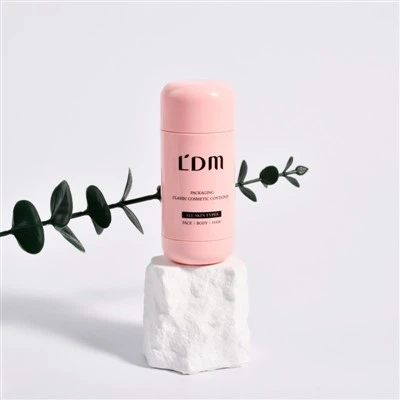
If you’re planning to upgrade your cosmetic bottle caps, or if you’re looking for a partner to help design a cap that fits your brand’s needs, I’m here to help. We can work together to test materials, customize designs, and make sure your caps balance function, quality, and brand identity every step of the way.
Cosmetic Bottle References
- Cosmetic Packaging Association. (2022). Material Selection Guidelines for Cosmetic Closures.
- Sustainable Packaging Coalition. (2023). Bioplastics in Consumer Packaging: Performance and Applications.
- Global Cosmetic Industry. (2021). Cap Material Trends and Customer Preferences in Beauty Packaging.
Shaoxing Longderm Plastic Co., Ltd.
Shaoxing Longderm Plastic Co., Ltd. is one of the leading cosmetic bottle manufacturers and suppliers in China. We warmly welcome you to wholesale custom made cosmetic bottle from our factory. For more cheap products, contact us now.
Address: No. 55, Tongmingnan’an Road, Yuxian Village, Fenghui Town, Shangyu District
E-mail: hello@ldmpac.com
WebSite: https://www.ldmpackaging.com/
