As a PE shrink film supplier, I’ve spent the last 12 years on the floor of our manufacturing plant, talking to customers, sorting through waste streams, and answering the same question over and over: “Is PE shrink film really environmentally friendly?” It’s a fair question—flexible packaging materials get a bad rap, and with all the noise about plastic pollution, it’s easy to write off shrink wrap as another disposable villain. But after seeing our film used to cut food waste, protect electronics during shipping, and extend the shelf life of everything from bottled water to automotive parts, I know the answer isn’t a simple yes or no. Let’s break this down, from the resin we start with to what happens when the film reaches the end of its life, because there’s more to PE shrink film’s impact than meets the eye. PE Shrink Film
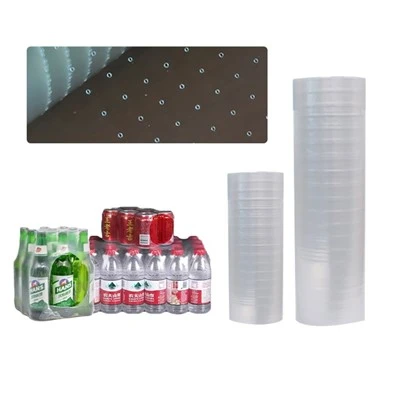
First, let’s get clear on what PE shrink film is and why it exists. PE stands for polyethylene, a polymer made from natural gas or crude oil, though these days we’re sourcing more and more from post-consumer recycled (PCR) resin. Shrink film is formulated to tighten around a product when heated—think the plastic wrap around a new laptop, a pallet of soda cans, or a case of bottled water. Its core job is protection: it keeps dust, moisture, and tamperers away, stabilizes pallet loads so goods don’t shift during cross-country trucking, and, crucially, cuts down on secondary packaging. I’ve had a craft beer distributor tell me that switching from individual cardboard boxes for 12-packs to PE shrink film cut their packaging waste per pallet by 70%. A food processing client says their produce stays fresh 2-3 days longer wrapped in our film, because it blocks ethylene gas (the stuff that makes fruit ripen too fast) and keeps spoilage-causing bacteria out. That’s not just convenience—that’s a direct reduction in food waste, which the UN estimates makes up 1.3 billion tons of food lost annually, nearly a third of all food produced. When we talk about environmental impact, we can’t overlook the “avoided waste” that comes from a packaging that does its job well.
That said, PE is still a plastic, and no one’s pretending that virgin PE shrink film is zero-waste. The biggest misconception I run into is that all PE shrink film ends up in a landfill. In reality, its recyclability depends almost entirely on how it’s sorted. Let’s be honest: most people don’t know that shrink film is one of the few plastic packaging materials that’s widely accepted in curbside recycling programs in the U.S., right alongside plastic bags. The problem is that people toss it in the regular bin, not the dedicated drop-off bins at grocery stores or the flexible plastic collection bins most municipalities offer. When that happens, it clogs recycling sorting equipment—those big belt conveyors and optical separators can’t process the thin, flexible film, so it gets dumped as residual waste. I’ve seen that firsthand at a local recycling plant near our facility; they told me 30% of the flexible plastic they receive is contaminated with food residue or wrongfully placed in mixed bins, so it never gets turned into new products.
But that’s a sorting problem, not a material problem. When PE shrink film does get recycled, it’s incredibly versatile. I’ve seen our old film from pallet loads turned into new shrink wrap, but also into fence posts, playground equipment, and even plastic lumber for outdoor decks. A 2022 study from the American Chemistry Council found that recycled PE (rPE) has a lower carbon footprint than virgin PE—typically 30-40% lower, because you skip the energy-intensive process of refining crude oil or natural gas into new polymer resin. For our company, that’s why we’ve invested so heavily in PCR PE shrink film over the last five years. Today, 45% of our product line is made with at least 30% post-consumer recycled resin, and we’re pushing to hit 60% by 2027. The cost of recycled resin has fluctuated, but our customers—from small e-commerce shops to large retail chains—are willing to pay a small premium for packaging that has a lower upfront environmental impact.
What about when PE shrink film can’t be recycled? Like any plastic, it’s not infinitely recyclable; most rPE is recycled 1-2 times before it’s too degraded to use for food-contact applications, though it’s still usable for industrial goods. But here’s the thing: PE is also technically “recyclable through energy recovery,” which means it can be burned in waste-to-energy facilities to generate electricity, without releasing as many toxic pollutants as other plastics like PVC. Modern waste-to-energy plants have air pollution controls that capture 99% of harmful emissions, including dioxins, so it’s not the same as old open-air burning. Of course, we’d always prefer to see it recycled, but energy recovery is a better alternative than sending it to a landfill, where PE can take hundreds of years to break down (and even then, it doesn’t biodegrade—it photodegrades into microplastics, which is a whole other headache).
I know what you’re thinking: “Why not use compostable films instead?” I get that pitch all the time from startups pushing bioplastics, but here’s the catch. Most compostable films require industrial composting facilities—high-temperature, controlled environments that most municipalities don’t have. If you toss a “compostable” shrink film in your backyard bin or curbside organic waste, it won’t break down properly; it’ll just sit there, or release methane in anaerobic landfills. A 2021 study from the University of California, Berkeley, found that bioplastics have a higher carbon footprint than rPE for most packaging applications, because the crops used to make them (like corn) require fertilizer and water, and the process of turning plants into plastic is energy-intensive. I’ve had a few customers test compostable shrink films, but most came back to us because the compostable product tore too easily, couldn’t withstand extreme heat during shipping, or left them with higher waste costs because it couldn’t be recycled with regular PE film.
That’s not to say there’s no room for improvement in PE shrink film. We’ve worked to cut down on the thickness of our film over the last decade: 10 years ago, a standard pallet shrink film was 80 gauge thick (about 0.8 millimeters), now our premium film is 45 gauge—half as thick, with the same or better strength. That means less material is used per package, which lowers the carbon footprint from manufacturing and shipping the film itself. We’ve also added UV inhibitors to some of our films for outdoor use, so they last longer when wrapped around construction materials or outdoor furniture, reducing the need for re-wrapping products that were damaged by early film degradation. For customers that want to go even further, we offer a take-back program for shrink film used in their warehouses—we pick up the post-use film, sort it, and send it to our recycling partner to be turned into new products. Last year, that program kept over 120 tons of film out of landfills, and our customers have told me it’s saved them thousands of dollars in waste disposal costs.
The biggest challenge right now, though, is infrastructure. The U.S. has only 120 flexible plastic recycling facilities, compared to over 3,000 curbside recycling programs. That means even if everyone did everything right, there’s not enough capacity to process all the flexible plastic we generate. As a supplier, we’re advocating for more investment in recycling infrastructure, and we work with our customers to educate their teams on proper sorting—post-use shrink film should be cleaned of food residue, dried, and dropped at dedicated grocery store bins, not in the regular trash or mixed recycling. I’ve even created free training materials for small business customers, because I know not everyone has a sustainability team to handle that.
Let’s circle back to the original question: Is PE shrink film environmentally friendly? The short answer is that it’s one of the most sustainable packaging options available right now, but only if we use it correctly and invest in the infrastructure to reuse and recycle it. It’s not a silver bullet, and it’s not perfect, but compared to alternatives—cardboard that’s overwrapped, bioplastics that can’t be recycled, or no packaging at all that leads to more spoilage and damage—it stacks up really well.
I’ve been in this industry long enough to see the swings in sustainability trends. Ten years ago, everyone was jumping on “zero plastic” bandwagons, but that often led to more waste, not less. The companies that are actually making a difference are the ones that look at the whole lifecycle: what’s the material’s impact from cradle to grave, how does it perform its core job, and how can we keep it in use longer? PE shrink film checks a lot of those boxes, when we use it right.
If you’re a business owner or procurement manager looking to switch to more sustainable packaging, or you just want to learn more about how our shrink film can reduce your environmental footprint, don’t hesitate to reach out. We can walk you through our PCR offerings, our take-back program, and ways to cut down on material use without sacrificing protection. Sustainability isn’t just about using “green” materials—it’s about making choices that work for your business and the planet, long-term.
Anti-Static Bags References
- Food and Agriculture Organization of the United Nations. (2019). The State of Food and Agriculture 2019: Moving Forward on Food Loss and Waste Reduction.
- American Chemistry Council. (2022). Recycled Polyethylene (rPE) Market Report: Global Production and End-Use Applications.
- University of California, Berkeley, Department of Environmental Science, Policy, and Management. (2021). Life Cycle Comparison of Compostable vs. Polyethylene Flexible Packaging.
- U.S. Environmental Protection Agency. (2023). Recycling Economic Information (REI) Report: Flexible Plastic Packaging.
- European Plastics Converters Association. (2022). Shrink Film Sustainability Assessment: Lifecycle Analysis of Polyethylene Shrink Packaging.
Shanghai Ruiyue Plastic Products Co., Ltd.
With abundant experience, we are one of the most professional pe shrink film manufacturers and suppliers in China. We warmly welcome you to buy high quality pe shrink film in stock here from our factory. If you have any enquiry about customized service, please feel free to email us.
Address: No. 1000, Lixue Road, Malu Town, Jiading District, Shanghai
E-mail: shenyang.boss@ruiyueplastics.com
WebSite: https://www.ruiyueplastics.com/
