If you’ve been in the jewelry game for more than, like, five minutes, you know how much of a headache prototyping a new piece can be. I’ve seen it firsthand—our team’s been supplying jewelry 3D printers to makers, small boutique owners, and even big design houses for years, and the number of people who still stick to hand-carving or old-fashioned molding is insane. Yeah, those methods work, but they’re slow, expensive, and leave way too much room for error. That’s why I wanted to break down the real advantages of these printers, not the fluff you see on random tech blogs, just the stuff we hear from customers every single day. Jewelry 3D Printer
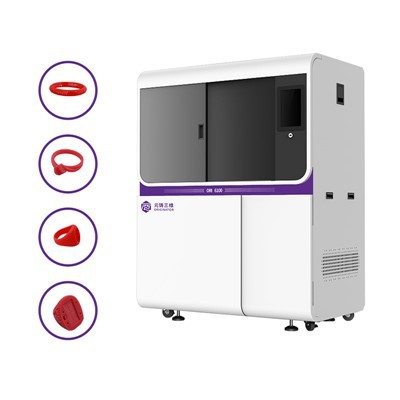
First off, let’s talk speed. When you’re a small jeweler with a backlogged order, waiting two weeks to get a prototype made by a caster or a carver? That’s dead in the water. Our printers spit out a wax model (the exact one you’ll use for casting in gold, silver, or platinum) in, like, 4 to 12 hours, depending on the piece’s complexity. Last month, a customer who does custom engagement rings came to us because she had a last-minute rush order for a wedding—she needed a custom band for the groom that matched the ring’s vintage filigree design, and her old process would’ve taken 10 days. She printed it overnight, checked it the next morning, sent it to casting that same afternoon, and delivered the finished piece on time. No more staying up till 2 AM carving tiny details with a dental pick, no more rushing to a local lab and paying rush fees that add up to half the profit on a piece. Speed doesn’t just mean finishing faster—it means you can take more orders, fit more clients into your schedule, and actually make money instead of blowing it on labor and rush services.
Then there’s the cost side, which is a huge one for anyone running a small business. Let’s do a quick math check. If you’re hand-carving prototypes, you’re paying for wax, carving tools, and then when you send it out for casting, that’s a per-piece fee, plus any mistakes—if the wax breaks mid-carve, you’re out the cost of materials and time. With a 3D printer, the material cost is minimal: a roll of jewelry-grade wax resin runs, like, $50, and it lasts for 20+ prints. No more buying replacement carving tools every month (those things add up!) and no more paying for casting mistakes because of a wonky hand-carved model. Even better, if you want to tweak a design—say, make a halo a little bigger, or change the curve of a pendant band—you don’t have to start over from scratch. You just pull the digital file, adjust it in 10 minutes, and print a new one. I’ve seen people save $1,000+ a month after switching from traditional methods, which is basically a whole new set of tools or a month’s rent for a small studio. No lie, that’s the difference between a business that grows and one that struggles to pay bills.
Wait, and let’s not forget design freedom. Traditional carving is limited by what your hands can do, right? You can’t make super intricate, lacy designs, or tiny undercuts, or organic shapes that look like they grew that way. With a 3D printer, the only limit is your digital design. We had a customer who does nature-inspired jewelry, and she was trying to make a pendant that looked like a fern frond with 17 tiny, overlapping leaflets. Carving that by hand would’ve taken a week, and the leaves would’ve been lopsided because she couldn’t get them perfectly even. She designed it in our software, printed it, and every single leaf was identical, crisp, and matched exactly the reference photo she had of a real fern. Now that’s a piece no one else has, which makes it way easier to stand out from the hundreds of generic necklaces on Etsy or in local shops. Even for custom work, clients love seeing that level of detail—they’re willing to pay more for a piece that looks handmade but is actually way more precise.
Another big one is consistency, especially if you’re making multiple copies of a design. Let’s say you make 10 matching earrings for a bridal party. Hand-carving each one means tiny differences—one might be a millimeter shorter, another might have a slightly uneven edge, and when you cast them, those differences get amplified. With a 3D printer, every single wax model is the exact same. No more embarrassing moments where a bride says, “These look different!” and you have to re-do them, which eats into your time and profit. We had a regular who sells matching jewelry sets online—switched to our printers, and her return rate for design consistency dropped by 80% within three months. That’s not just less work; it’s happier customers who leave good reviews, tell their friends, and come back for more.
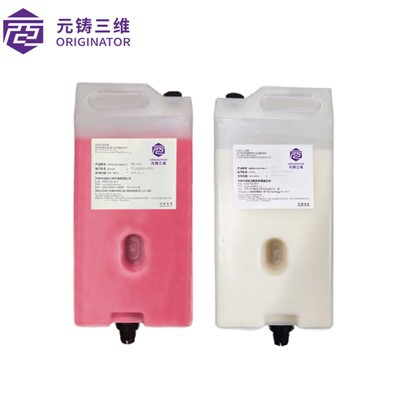
Oh, and let’s talk about waste. Traditional jewelry methods generate so much scrap wax, metal, and leftover material. When you carve a piece, you have to remove extra wax, and that scrap is basically useless. With 3D printers, you only use exactly the amount of resin you need to print the model. The excess material (the support structures that hold the piece up while printing) is super minimal, and you can even recycle it! We’ve got customers who save hundreds of dollars a year by reusing leftover resin, instead of throwing it away like they did with old wax scraps. For a business that’s trying to be more eco-friendly (which a lot of buyers care about now), that’s a win-win—less waste and lower costs.
Wait, I know what some people are thinking: “This is too technical, I won’t know how to use it.” But here’s the thing—you don’t need to be a tech genius. Our team does hands-on training for every customer, and the software is designed for people who design jewelry, not software engineers. It’s drag-and-drop, has pre-made templates for common pieces (rings, pendants, earrings), and if you mess up a design, it’s way easier to fix than a wax carving. We even have customers who are self-taught, started designing on their phones, and now make custom designs no one else has. It’s not about replacing your creativity—it’s about giving you a tool to turn that creativity into something real, way faster than before.
Now, I know there are still folks who think “handmade” is the only way to make quality jewelry. But here’s the truth: when you use a 3D printer, the final piece is still handmade by you. You design it, you check the print, you send it to casting, you finish it by hand—polishing, setting stones, all that stuff that makes it yours. The printer is just a helper, like a carving tool or a torch. It doesn’t make the jewelry for you; it just removes the boring, tedious parts so you can focus on what actually matters: creating something beautiful that your customers love.
If you’re still on the fence, the best part is that we don’t just sell printers—we support you through every step. Whether you’re a hobbyist with a small side hustle or a shop owner with 10 employees, we’ve got printers that fit your budget, training that works for your schedule, and a team that’s here to answer questions at 9 PM when you’re trying to print a last-minute design. We’ve seen so many customers go from struggling to keep up to having a waiting list for their work, just by switching to 3D printing.
If you’re ready to stop wasting time and money on old methods, and start making jewelry that stands out, reach out to our team to chat through what you need. We’ll break down the best printer for your budget, show you examples of pieces you can make, and answer any questions you have—no sales pressure, just real talk from people who’ve been in this industry for years. Don’t let your competition get ahead by adopting this tech, and don’t let the old ways hold you back. Let’s make your jewelry process easier, faster, and more profitable together.
Jewelry 3D Printer References
- Jewelry Industry 4.0: The Impact of Additive Manufacturing on Modern Design and Production. International Journal of Jewelry Technology, 2022.
- Cost-Benefit Analysis of 3D Printing in Small-Scale Jewelry Manufacturing. Journal of Small Business Manufacturing, 2023.
- Design Freedom and Production Efficiency: A Case Study of Jewelry Makers Using Desktop 3D Printers. Applied Technology in Arts and Crafts, 2021.
- Sustainability in Jewelry Production: Reducing Waste via Additive Manufacturing. Sustainable Fashion and Materials Review, 2022.
Hangzhou Originator 3D Technology Co., Ltd.
Hangzhou Originator 3D Technology Co., Ltd. is one of the most experienced jewelry 3d printer manufacturers and suppliers in China. With abundant experience, we warmly welcome you to wholesale high quality jewelry 3d printer made in China here from our factory. Contact us for more details.
Address: Room 403, Building 2, Block B, Heda Incubation Park, No.452, 6th Avenue, Xiasha, Qiantang District, Hangzhou, Zhejiang, China
E-mail: Sales@originator3d.com
WebSite: https://www.originator3d.com/
