If you’ve ever been to a major music festival, a large trade show, or a corporate gala that went off without a hitch, you might not have thought about all the messy, high-up work that goes into building that space before anyone walks through the door. Backdrops, lighting rigs, signage, hanging decor, and even sound equipment all have to get mounted somewhere, and for event crews, climbing ladders with heavy gear isn’t just inefficient—it’s dangerous. That’s where MEWPs (mobile elevated work platforms) come in, and as a MEWP supplier, I see firsthand how these machines aren’t just a “nice extra” for event setup—they’re the backbone of pulling off events that feel seamless and safe, no matter the size. MEWPs
Let me start with a quick breakdown for anyone who’s never worked in events: event setup is a race against the clock. A festival might have 72 hours to turn an empty field into a space that holds 50,000 people, a trade show could have one night to assemble 100 different booths, and a wedding venue might need to hang 200 feet of drapery 30 feet up before doors open. Before MEWPs became standard, crews relied on scaffolding, cherry pickers (which are technically a type of MEWP, by the way—more on that later), and sometimes even aerial lifts that felt clunky for tight, indoor spaces. The problem? Scaffolding takes forever to build, disassemble, and move, and it’s not ideal for uneven ground or doorways that are too narrow for large frames. Climbing ladders with a 50-pound lighting rig slung over your shoulder? That’s a recipe for a fall, or a dropped tool that could hurt someone below.
MEWPs solve almost all of those problems, and we’ve refined the machines we supply specifically for event teams over the years. For starters, event spaces aren’t one-size-fits-all, so we rent or sell a range of MEWPs: compact electric scissor lifts for indoor trade show floors where overhead clearance is tight, boom lifts (the cherry picker kind) for outdoor stages, and even smaller, lightweight personnel lifts for tasks like hanging signage 15 feet up in a mall concourse. One of my regular clients is a big event production company that does all the major summer music festivals in the US, and last year, they told me that switching from renting generic construction MEWPs to the compact, maneuverable models we carry cut their setup time for stages by 30%—no joke.
Here’s why that speed matters. Events live and die by their timeline. If setup runs over, you might miss your time slot at a venue, which means contractors have to work overtime, which blows the budget. Worse, delays can lead to crew fatigue, which is a huge safety hazard. I’ve seen first-hand what happens when event teams cut corners on equipment: a few years back, a crew tried to assemble a lighting rig on a wobbly homemade scaffolding at a small concert, and a 20-foot section collapsed, sending two workers to the ER. They could have avoided that entirely with a MEWP that’s designed to hold tools, gear, and workers safely at height.
Another big win for events is that MEWPs are versatile enough to handle all the random, last-minute tasks that pop up during setup. Let’s say you’re setting up a corporate trade show floor, and one of the booths needs a custom sign mounted 25 feet above the aisle. A scissor lift can get you to that height, and it stays level even if the floor has a slight slope—something a ladder never can do. Or, if you’re hanging fairy lights for a gala in a convention center that has a 40-foot ceiling, a articulating boom lift can wrap around columns and reach corners without having to reposition the whole machine every few feet. That saves so much time because repositioning a large lift takes 10 minutes each time, versus climbing up and down a ladder to move a sign every two minutes.
Wait, let’s talk about safety for a second, because that’s the part that most event planners don’t always think about until something goes wrong. OSHA data (I reference this all the time for clients) says falls from height are one of the top causes of workplace injuries in event setup, and 90% of those falls happen when workers are using ladders or unstable scaffolding instead of MEWPs. The thing about modern MEWPs is that they have built-in safety features that are non-negotiable now: guardrails, fall protection anchors, automatic level sensors that shut the machine down if it’s on uneven ground, and for electric models, low noise and zero emissions so they can be used indoors without filling a space with fumes. Our team even offers basic training to anyone renting our machines, because we know that a MEWP is only safe if the person operating it knows how to use it—no exceptions.
I used to work in event production myself before I got into the MEWP supply business, so I get the urge to try to save money by cutting corners. I’ve seen a planner skip a MEWP rental to save a couple hundred bucks, only to end up paying twice that in overtime when a crew member takes an hour to climb a ladder and drill a hole in a backdrop. Or, even worse, when a crew has to take time off after an injury, which can delay an event by days. For example, a few months ago, a local wedding planner tried to handle hanging flowers for a reception on a ladder, and her assistant fell and sprained an ankle. The venue held her accountable, and she had to push the wedding back a week, which meant refunding some deposits and paying extra to reschedule the florist. If she’d just rented a small MEWP for the day, that never would have happened.
Now, let’s get specific about how MEWPs are used in different types of events, because it’s not just big music festivals. Let’s break it down by event type:
First, trade shows and conventions. These are usually indoor, with tight spaces between booths, so compact scissor lifts are the go-to. The setup here is usually linear: each exhibitor has a booth with lighting, signage, overhead displays, and sometimes backdrops that need to go 15 to 25 feet up. MEWPs let workers move between booths easily, and they’re small enough to fit through standard doorways, which is critical because most convention center loading docks are too big to move a larger boom lift through. One trick we’ve learned from trade show crews is that they book MEWPs for “odd hours” too—like 2 a.m. to 6 a.m., when the convention floor is empty. MEWPs are quiet, so they don’t bother other vendors, and they’re fast enough to get a 10-booth section set up in a few hours.
Next, live music and festival stages. Outdoor events here need rugged, all-terrain MEWPs, usually boom lifts, because the ground at a field or parking lot isn’t smooth. These are used for mounting stage lighting, speaker arrays, video screens, and even the overhead trusses that hold all that gear. At some festivals, artists have customized light shows that require rigging lights in hard-to-reach corners of the stage, and a boom lift can extend horizontally to get to those spots without having to move the whole machine. Also, festival setup has to handle weather—rain, wind, even extreme heat—so our MEWPs are tested to operate in light rain and temperatures up to 100 degrees, which means crews don’t have to stop work mid-setup because of the weather.
Then there’s weddings, galas, and corporate events. These are often in venues that aren’t built for big equipment—like historic mansions, museums, or hotel ballrooms. So we have small, lightweight MEWPs that can fit through 3-foot doorways and weigh less than 2,000 pounds, so they don’t damage hardwood floors or marble. These are used for hanging drapery, string lights, floral installations, and even ceiling decor. One of our regular clients does 20+ weddings a year at a historic estate, and she swears by our compact personnel lifts because she can move them through the hallways without knocking over vases or wall art. She told me last year that she cut her setup time for drapery from 4 hours to 45 minutes with one of our lifts.
Wait, but what about take-down? A lot of people only think about setup, but MEWPs are just as important for tearing down an event too. After a festival, crews have to take down all the rigging, pack up gear, and load out in a matter of hours. MEWPs make take-down just as fast as setup, because workers can pull down lights and screens without having to climb ladders or tie off to rigging. That means crew members get to go home sooner, and there’s less risk of injuries on the way out, too. We’ve even had festivals that extend their MEWP rental for a day to help with take-down, because it’s that much more efficient.
Now, let’s talk about the myths I still hear from event planners. A common one is “MEWPs are too expensive for a small event.” I get it, if you’re planning a small corporate meeting for 100 people, a $150 MEWP rental might feel like a big expense. But compare that to the cost of a delayed event, an injury, or hiring a second worker to hand you tools on a ladder. For a small event, a compact personnel lift is way cheaper than the alternatives, and it’s way safer. Another myth is “You don’t need a MEWP if you have ladders.” Ladders are great for small, quick jobs at 10 feet, but any job over 15 feet—especially if you have to carry tools or gear—needs a MEWP. OSHA actually recommends that any work at height over 10 feet use a MEWP instead of a ladder, because ladders have a 1 in 10 chance of causing a fall, while MEWPs have a 1 in 100,000 chance. That’s a huge difference.
As a MEWP supplier, our whole goal is to make event setup easier, safer, and faster. We don’t just sell machines—we work with event crews to figure out exactly what they need. If you’re a small wedding planner who only needs a lift for one weekend, we can offer a short-term rental. If you’re a big festival company that needs 20 MEWPs for three months, we can provide bulk pricing and on-site support. We also make sure all our machines are well-maintained, because there’s nothing worse than a MEWP breaking mid-setup, leaving crews stuck halfway up in the air. Last year, we had a client at a festival whose lift’s battery died, and our team was there in 20 minutes with a replacement battery so they didn’t miss their timeline. That’s the kind of service that matters for events, where every minute counts.
If you’re an event planner, production manager, or small business owner who’s planning an event and need to get high-up work done safely and on time, don’t cut corners. MEWPs aren’t just construction equipment—they’re the tool that makes your event run smoothly, keeps your crew safe, and saves you time and money in the long run. Whether you’re hanging lights for a small birthday party, setting up a trade show booth, or building a stage for a 50,000-person festival, a MEWP is the way to go.

If you’re ready to talk through your MEWP needs for your next event, reach out to our team to discuss rental or purchasing options tailored to your timeline and space. We’re here to make your event setup as stress-free as possible.
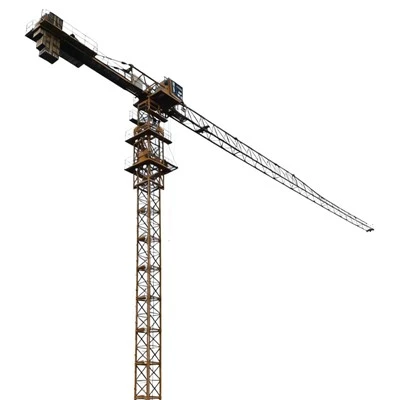
Tower Cranes References:
Occupational Safety and Health Administration. (2022). Fall Protection in the Construction Industry. U.S. Department of Labor.
Event Safety Alliance. (2023). Event Setup Safety Best Practices. Event Safety Association International.
National Association of Music Merchants. (2021). Production Equipment Trends for Live Events. NAMM Foundation.
Tianjin Huizhi Import and Export Trading Co., Ltd.
We’re well-known as one of the leading mewps manufacturers and suppliers in China, specialized in providing high quality customized service. Please feel free to buy cheap mewps for sale here from our factory. Contact us for more details.
Address: Room 4175, Building D2, Zone D, Airport International Headquarters Base, Guangxuan Road, Dongli District, Tianjin, China
E-mail: admin@hugecrane.com
WebSite: https://www.hugecrane.com/
