When you’re browsing the aisles of industrial equipment repair shops, or scrolling through parts catalogs for hydraulic motors, you might glance at a small, recessed groove cut into the motor’s output shaft, next to the splines or key taper, and barely give it a second thought. That groove is a keyway, and for anyone in hydraulic motor parts—especially us, the folks who supply these components to fabrication shops, construction fleets, and agricultural equipment maintenance teams—it’s one of the most misunderstood, yet non-negotiable, parts of the assembly. I’ve seen so many technicians rush to replace a hydraulic motor without checking the keyway, only to end up with a brand new motor spinning uselessly for an hour, because it couldn’t transfer power to the driven load. Let’s break down exactly what a hydraulic motor keyway does, why it matters more than most people realize, and why our team emphasizes inspecting this tiny part before any installation. Hydraulic Motor Parts
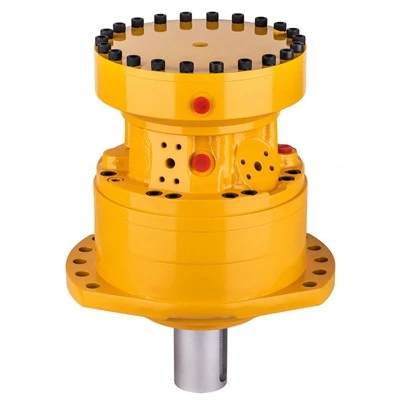
First, let’s start with the basics of how a hydraulic motor works, because the keyway’s purpose ties directly to that core function. A hydraulic motor converts pressurized hydraulic fluid (usually oil, but sometimes synthetic fluids for high-temperature applications) into rotational mechanical power. That power doesn’t just exit the motor’s shaft—this shaft connects to a driven component: a conveyor belt roller, a winch drum on a crane, a auger on a farm combine, or a pump shaft on another hydraulic system. The critical link here is that the motor’s output shaft can’t just spin inside a hole on the driven component; there has to be a positive, mechanical connection that doesn’t slip, even under the extreme torque loads hydraulic motors often handle. A hydraulic motor can produce enormous torque, especially at low speeds—think of a construction vehicle’s track drive motor pulling a 20-ton machine up a muddy hill, or a lumber mill’s log clamp motor squeezing a 500-pound log. Slippage here isn’t just annoying; it’s dangerous and costly.
That’s where the keyway comes in. A keyway is a precision-machined slot (either rectangular, sometimes square, for most standard hydraulic motor applications) cut into the surface of the motor’s output shaft. It’s sized to fit a small metal piece called a key—a simple, wedge-shaped or rectangular component, usually made of steel, that sits half inside the motor’s keyway and half inside a matching slot cut into the hub of the driven load. Together, the key and the keyway create a “positive drive” connection. Unlike a friction fit (where the shaft is pressed tightly into the hub, relying on friction to transfer power), this mechanical connection prevents any rotational slippage. That’s the foundational purpose, but let’s dive into the specifics of why this is tailored to hydraulic motor use, not just any rotational power transmission.
Hydraulic motors operate across a wide range of load conditions, from idle to peak torque, and from low to high speeds. For low-speed, high-torque applications—like the track motors on skid steers or the auger drives on tractors—the keyway and key have to handle sudden, extreme loads without failing. If a hydraulic motor didn’t have a keyway, the only alternative would be a splined shaft (a shaft with multiple parallel grooves and ridges) or a tapered interference fit. Splined shafts are heavier, more expensive, and overkill for many standard applications; they’re common in heavy-duty automotive transmissions, but for a 2-inch output shaft on a compact hydraulic motor, a keyway is lighter, cheaper, and just as effective. The tapered interference fit, often called a “keyless” connection, relies on the shaft being pressed into the hub with thousands of pounds of force to create friction. While this works for some applications, it can slip under shock loads—say, when a skid steer hits a large rock and the track suddenly stalls. The keyway and key lock the motor’s shaft and the load hub together, so all that torque from the hydraulic motor goes directly to the load, not wasted on spinning the shaft inside the hub.
Another key purpose of a hydraulic motor’s keyway is to ensure proper alignment during installation. When you’re replacing a hydraulic motor, especially in a piece of equipment that’s already in the field, there’s often very limited space to work. The keyway acts as a guide: you align the key in the motor’s keyway, slide the hub of the driven load onto the shaft, and the key locks the two components into correct rotational alignment right away. This eliminates guesswork when installing a new motor. I’ve heard technicians say they “fudged” the alignment without checking the keyway, and ended up with a motor that’s slightly off-angle, leading to premature wear on the shaft seals, which causes hydraulic fluid leaks. A properly installed keyway helps prevent that misalignment, extending the life of both the motor and the driven component.
It’s not all about power transfer and alignment, though. The keyway also serves as a safety component. In the event of an overload—say, a hydraulic motor is forced to spin a load that’s too heavy, or the driven component jams—the key is designed to shear before damage occurs to either the motor’s output shaft or the driven hub. That might sound like a bad thing, but let’s be clear: replacing a $5 steel key is way cheaper than replacing a $2,000 hydraulic motor or a $3,000 load hub. Our team of hydraulic motor parts specialists sees this all the time: a customer calls us because their motor won’t run, and when we ask if they checked the keyway, they say “no, I just pulled the motor out.” We guide them to remove the hub, and sure enough, the key sheared in the keyway. Instead of buying a whole new motor, they just need a $0.50 replacement key, and they’re back up and running. That’s a huge cost savings, and it’s all because that small keyway was designed to fail safely before more expensive parts take damage.
Now, let’s talk about the design specifics that make a hydraulic motor’s keyway different from, say, a keyway on an electric motor. Electric motors usually run at high speeds and low torque, so their keyways are smaller, with keys that are thinner and made of softer steel. Hydraulic motors, on the other hand, can produce torque levels that are 10 to 20 times higher than a similarly sized electric motor. That means hydraulic motor keyways are machined to much tighter tolerances, with deeper slots and thicker keys, often made of hardened steel, to handle those high torque loads without bending or breaking under normal operation. A standard keyway size for a 2-inch hydraulic motor shaft, for example, is usually 5/8-inch wide by 7/16-inch deep, with a key that’s 5/8-inch wide by 7/16-inch thick, whereas an electric motor of the same shaft size might have a keyway half that size. That’s a detail our team pays attention to because we supply keys and keyways to fit every common hydraulic motor model, and if you order the wrong size, it won’t fit and could cause failure.
I want to address a common misconception here: some people think that keyways are outdated, or that keyless connections are better. While keyless connections have their place, especially in high-precision applications where alignment is critical, they have drawbacks for the typical hydraulic motor use case. For one, keyless connections require specialized tools to install and remove—you need a hydraulic press to fit the shaft into the hub, which most small repair shops don’t have. Keyways, on the other hand, are simple to work with: a technician can install a key in minutes with just a screwdriver and a small wrench. Another downside of keyless connections is that over time, the friction fit can loosen, leading to slippage. A properly machined keyway and a properly installed key will last for thousands of hours of operation without slipping, as long as the key is the correct size and made of the right material.
Let me share a real example from our work to illustrate how important the keyway is. A couple of months ago, a customer who runs a fleet of 12 farm tractors called us in a panic. One of their tractors’s hydraulic motor for the corn head had failed, and they’d ordered a replacement motor from another supplier, installed it without checking the keyway, and found that the new motor wouldn’t turn the corn head at all. They thought the motor was defective, so they were ready to return it and buy a new one, which would have cost them a full day of harvest and thousands of dollars in lost revenue. When we walked them through checking the keyway, they found that the key that came with the replacement motor was too small—only half the width needed for the hydraulic motor’s keyway. Because the key was too small, it couldn’t lock the shaft and the corn head hub together, so the motor spun freely when they turned it on. We sent them a custom-sized hardened steel key that same day, they installed it, and the tractor was back in operation within an hour. That’s the exact kind of mistake that happens when you overlook the keyway—this small part is the difference between a $5 key and a $3,000 motor replacement.
Another thing to note: hydraulic motor keyways are also designed to resist corrosion and wear, which is critical because hydraulic motors are often used in harsh environments—construction sites with dust and mud, farm fields with moisture and fertilizer, marine applications with saltwater. The keyway is machined with smooth edges to prevent burrs, which can catch on the key and cause it to wear out prematurely. The key itself is usually plated or made of stainless steel for outdoor or wet applications, so it doesn’t rust, which would expand and cause the key to get stuck in the keyway, making it hard to remove during repairs. Our team stocks both standard carbon steel keys and stainless steel keys for hydraulic motor keyways, because we know that the right material for the key depends on where the motor is being used.
So, to recap: the purpose of a hydraulic motor’s keyway is threefold. First, it creates a positive, mechanical connection between the motor’s output shaft and the driven load, preventing slippage even under high torque and shock loads. Second, it ensures proper alignment during installation, reducing premature wear on seals and other components. Third, it acts as a safety feature, with the key designed to shear in the event of an overload, protecting more expensive parts like the motor shaft and load hub. Unlike splined or keyless connections, keyways are cost-effective, easy to install and repair, and tailored to the unique operating conditions of hydraulic motors.

If you’re working on a hydraulic motor repair, choosing the right replacement parts is critical—and that includes making sure the keyway and key are sized and made correctly for your application. At our hydraulic motor parts supply, we stock all standard keyway sizes, hardened steel keys, and replacement keyways for nearly every make and model of hydraulic motor on the market. We’ve helped hundreds of customers avoid costly repairs by pointing them to the right keyway and key for their setup, instead of letting them waste money on unnecessary motor replacements. If you’re looking for reliable hydraulic motor parts, whether you need a replacement key, a full shaft assembly with a pre-machined keyway, or guidance on identifying the right keyway size for your motor, we’re here to help. Reach out to us to discuss your hydraulic motor needs and find the right parts for your application.
NHM Hydraulic Motor References:
- Hydraulic Motor Design and Application Guide, Society of Manufacturing Engineers, 2021.
- Keyway and Key Connection Standards, American National Standards Institute (ANSI) B17.1, 2019.
- Hydraulic System Failure Analysis: Common Causes and Prevention, Fluid Power Society, 2020.
- Industrial Hydraulic Components Installation and Maintenance Handbook, Industrial Press, 2022.
- Material Selection for Power Transmission Keys and Keyways, Journal of Manufacturing Processes, Vol. 45, 2021.
Ningbo Oushijie Hydraulic Transmission Co., Ltd.
Ningbo Oushijie Hydraulic Transmission Co., Ltd. is one of the most professional hydraulic motor parts manufacturers and suppliers in China, also supports customized service. With abundant experience, we warmly welcome you to wholesale durable hydraulic motor parts at competitive price from our factory.
Address: Changshi Sanxing Industrial Zone, Jiulong Lake Town, Zhenhai District, Ningbo,Zhejiang, China
E-mail: yong@nbosj.com
WebSite: https://www.nbosj.com/
