Hey there! I’m working for an installation cable supplier and often get asked about the process of installing cables in manholes. This is a crucial part of many infrastructure projects, and today, I’m going to walk you through the ins and outs of how to install an installation cable in a manhole. Installation Cable
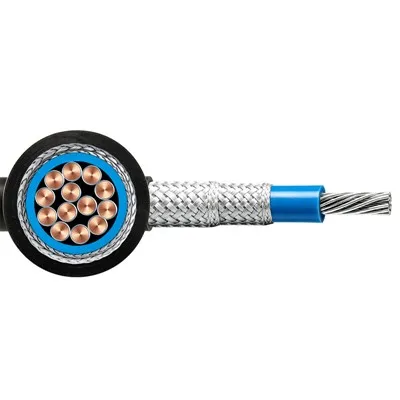
Understanding the Basics
Before we start the installation process, it’s essential to understand why manholes are used for cable installation in the first place. Manholes provide a secure and accessible location for running cables, especially in urban areas where underground cabling is common. They offer protection from the elements, mechanical damage, and unauthorized access.
Preparation
- Site Inspection
- The first step is to conduct a thorough site inspection of the manhole. Check the dimensions of the manhole to ensure that it can accommodate the size and quantity of cables you plan to install. Measure the height, width, and depth of the manhole accurately.
- Look for any signs of damage or debris inside the manhole. Cracks in the walls or water accumulation can pose significant problems during cable installation. If there is debris, clean it out properly to prevent it from getting tangled with the cables.
- Identify the locations where the cables will enter and exit the manhole. This will help you plan the routing of the cables and ensure a smooth installation process.
- Cable Selection
- As an installation cable supplier, we offer a wide range of cables for different applications. When selecting cables for manhole installation, consider factors such as the voltage requirements, the type of environment (e.g., whether it’s a wet or dry manhole), and the expected load on the cables.
- For example, if the manhole is in a high – humidity area, you may need to choose cables with better moisture resistance. Similarly, if the cable is for high – voltage power transmission, it should be rated accordingly.
- Tools and Equipment
- Gather all the necessary tools and equipment for the installation. Some common tools include cable pullers, cable cutters, cable lubricants, safety harnesses, and flashlights.
- Cable pullers are essential for pulling the cables through the manhole. Make sure the puller has the appropriate capacity to handle the weight and length of the cables you are installing.
- Cable lubricants help reduce the friction between the cables and the manhole walls, making it easier to pull the cables through.
Cable Installation Process
- Marking and Labeling
- Before you start installing the cables, mark and label them appropriately. Use color – coded tape or cable markers to indicate the different types of cables, their destinations, and any other relevant information. This will make it easier to identify and troubleshoot the cables in the future.
- Pre – Lubrication
- Apply cable lubricant to the cables and the areas where they will come into contact with the manhole walls. This will significantly reduce the pulling force required and prevent damage to the cables.
- Use a high – quality cable lubricant that is compatible with the cable insulation material. Follow the manufacturer’s instructions for application.
- Cable Routing
- Begin routing the cables through the manhole. Start from the entry point and carefully guide the cables along the planned path. Make sure the cables are not twisted or kinked during the routing process.
- If possible, use cable trays or supports inside the manhole to keep the cables organized and prevent them from rubbing against the walls.
- Pulling the Cables
- Attach the cables to the cable puller. Ensure that the connection is secure and that the cables are evenly distributed on the puller.
- Slowly start the cable puller, monitoring the tension on the cables at all times. Do not exceed the maximum pulling tension recommended by the cable manufacturer.
- As the cables are being pulled, have a team member inside the manhole to guide the cables and ensure that they are laying properly.
- If the cable run is long, you may need to use intermediate support points or additional cable pullers to avoid over – stressing the cables.
- Termination and Connection
- Once the cables have been pulled through the manhole, it’s time to terminate and connect them. This involves stripping the cable insulation, making the necessary electrical connections, and installing the appropriate cable terminations.
- Follow the manufacturer’s instructions for cable termination and connection. Use proper tools and techniques to ensure a reliable and safe connection.
- Insulate the terminated ends of the cables to prevent electrical shocks and short circuits.
Safety Considerations
- Personal Protective Equipment (PPE)
- Always wear appropriate personal protective equipment, including safety helmets, safety glasses, gloves, and safety shoes. If working in a confined space like a manhole, use a safety harness and a fall – arrest system.
- Ventilation
- Manholes can be hazardous environments with poor ventilation. Before entering the manhole, ensure that it is properly ventilated to remove any toxic gases or fumes. Use ventilation fans or natural ventilation methods to improve air quality.
- Confined Space Entry
- Entering a manhole is considered a confined space entry. Follow the strict safety protocols for confined space entry, including obtaining the necessary permits, having a standby person outside the manhole, and conducting regular gas monitoring.
Quality Assurance
- Inspection
- After the cable installation is complete, conduct a thorough inspection of the cables and the installation. Check for any signs of damage to the cables, such as cuts, abrasions, or insulation damage.
- Inspect the cable connections to ensure that they are secure and properly insulated. Test the electrical continuity of the cables to verify that they are functioning correctly.
- Documentation
- Keep detailed documentation of the cable installation, including the cable specifications, installation details, test results, and any maintenance or repair records. This documentation will be useful for future reference and troubleshooting.
Benefits of Choosing Our Installation Cables
As an installation cable supplier, we offer high – quality cables that are designed to meet the strictest industry standards. Our cables are made from premium materials, ensuring durability and reliability in even the harshest environments.
– Excellent Performance: Our cables have low impedance and high conductivity, which means less power loss and better signal transmission.
– Safety: We prioritize safety in our cable manufacturing process. Our cables are flame – retardant and have excellent insulation properties to prevent electrical hazards.
– Customization: We understand that different projects have different requirements. That’s why we offer customized cable solutions to meet your specific needs.
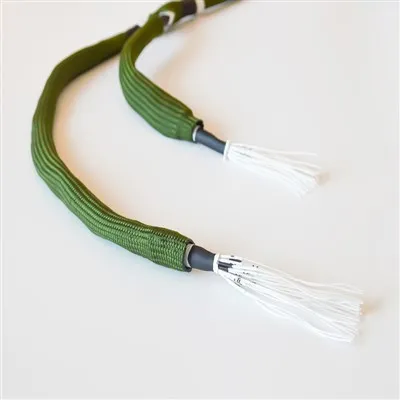
If you’re in the market for installation cables or need more information about cable installation in manholes, we’re here to help. Our team of experts can provide you with professional advice and support throughout your project. Whether you’re working on a small – scale residential project or a large – scale commercial infrastructure development, we have the right cables and expertise for you.
Cable Assemblies & Accessories Contact us today to start a conversation about your cable needs. We’re eager to partner with you and ensure the success of your project.
References
- Electrical Installation Handbook, Schneider Electric
- National Electrical Safety Code (NESC)
- Cable Installation Guidelines, IEEE Standards Association
Yangzhou Huayu Cable Co., Ltd.
Address: No. 9 Jingang Road, Yangzhou City, Jiangsu Province, China
E-mail: huayucableco@126.com
WebSite: https://www.huayucabletech.com/
