Hey there, folks! I’m a supplier of Dipotassium Phosphate, and today I wanna have a casual chat about what this stuff does in adhesives. You might be thinking, "Dipotassium Phosphate? What’s that got to do with gluing things together?" Well, stick around, and I’ll break it down for you. Dipotassium Phosphate
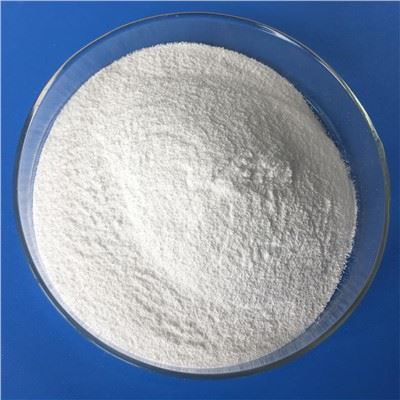
What the Heck is Dipotassium Phosphate?
First off, let’s get to know Dipotassium Phosphate a little better. Its chemical formula is K₂HPO₄. It’s a white, water – soluble salt. You can find it in a bunch of different industries, not just adhesives. It’s used in food as a buffering agent, in fertilizers to boost plant growth, and in the pharmaceutical world to help with certain drugs.
Why is Dipotassium Phosphate Used in Adhesives?
1. pH Regulation
One of the main jobs of Dipotassium Phosphate in adhesives is to control the pH. Adhesives have a sweet spot when it comes to pH. If the pH is too high or too low, the adhesive might not work as well. For example, some polymers in adhesives can break down or change properties if the environment is too acidic or basic.
Dipotassium Phosphate acts like a little pH police officer. It can neutralize acids or bases in the adhesive mixture. When you add it to an adhesive formula, it helps keep the pH stable. This stability is super important because it ensures that the chemical reactions that make the adhesive stick actually happen the way they’re supposed to.
2. Chelating Agent
Another cool thing about Dipotassium Phosphate is that it’s a chelating agent. Now, I know that sounds like a fancy word, but it’s not that complicated. In simple terms, it can grab onto metal ions in the adhesive.
There are often trace amounts of metal ions in the raw materials used to make adhesives. These metal ions can cause problems. They might speed up the degradation of the adhesive or cause it to change color over time. Dipotassium Phosphate forms a sort of cage around these metal ions, keeping them from causing trouble. This helps the adhesive stay stable and maintain its quality for a longer time.
3. Improving Adhesive Properties
Dipotassium Phosphate can also improve the overall performance of adhesives. It can enhance the viscosity, which is basically how thick or thin the adhesive is. A proper viscosity is crucial for an adhesive. If it’s too thin, it might run off the surface you’re trying to glue. If it’s too thick, it might be hard to spread evenly.
By adjusting the viscosity, Dipotassium Phosphate makes the adhesive easier to work with. It also helps the adhesive bond better to different surfaces. Whether you’re gluing wood, plastic, or metal, the presence of Dipotassium Phosphate can make the bond stronger and more durable.
Different Types of Adhesives and Dipotassium Phosphate
1. Water – Based Adhesives
Water – based adhesives are really popular because they’re more environmentally friendly than some other types. Dipotassium Phosphate is a great fit for these adhesives. In water – based systems, it helps maintain the stability of the emulsion. An emulsion is a mixture of two liquids that don’t usually mix well, like oil and water.
The presence of Dipotassium Phosphate keeps the particles in the emulsion from clumping together. This ensures that the adhesive has a smooth consistency and can be easily applied. It also helps the water – based adhesive dry properly and form a strong bond.
2. Synthetic Resin Adhesives
Synthetic resin adhesives, like epoxy and polyurethane adhesives, are known for their strong bonding properties. Dipotassium Phosphate plays a role here too. In these adhesives, it can act as a catalyst or a co – catalyst for the chemical reactions that take place during curing.
Curing is the process where the adhesive goes from a liquid or semi – liquid state to a solid state. By influencing the curing process, Dipotassium Phosphate can make the adhesive cure faster or more evenly. This results in a stronger and more reliable bond.
Real – World Applications
1. Woodworking
In the woodworking industry, adhesives are used all the time to join pieces of wood together. Whether it’s making furniture, cabinets, or wooden structures, a good adhesive is essential. Dipotassium Phosphate – enhanced adhesives are great for wood because they can penetrate the wood fibers better.
This penetration helps create a stronger bond between the wood pieces. The pH – regulating and chelating properties of Dipotassium Phosphate also prevent the adhesive from reacting with the natural substances in the wood, which could otherwise weaken the bond.
2. Packaging
The packaging industry relies heavily on adhesives to seal boxes, attach labels, and assemble different packaging components. Adhesives with Dipotassium Phosphate are ideal for this because they can work well in different environmental conditions.
They’re resistant to changes in temperature and humidity, which are common challenges in packaging. Whether it’s a box sitting in a hot warehouse or a label on a cold beverage bottle, the adhesive will stay strong and keep everything together.
Quality and Purity Matter
As a Dipotassium Phosphate supplier, I know that the quality and purity of the product are crucial. When you’re using Dipotassium Phosphate in adhesives, you want a product that’s free from impurities. Impurities can mess with the pH – regulating and chelating properties of Dipotassium Phosphate, and ultimately affect the performance of the adhesive.
That’s why we go through strict quality control measures to make sure our Dipotassium Phosphate meets the highest standards. We test it for things like particle size, solubility, and chemical purity. This way, you can be confident that when you use our product in your adhesive formulations, you’re getting the best results.
Wrapping It Up
So, there you have it! Dipotassium Phosphate plays a really important role in adhesives. From regulating pH to improving bonding properties, it’s a key ingredient that can make a big difference in how well an adhesive works.
Ferrous Lactate If you’re in the adhesive manufacturing business and you’re looking for a reliable source of high – quality Dipotassium Phosphate, I’d love to talk to you. Whether you have questions about the product or you’re ready to place an order, don’t hesitate to reach out. We’re here to help you make the best adhesives possible.
References
- "Handbook of Adhesive Technology", Second Edition, edited by A. Pizzi and K. L. Mittal.
- "Industrial Adhesives: Theory and Practice" by David A. Bass.
Jiangsu Kolod Food Ingredients Co., Ltd.
As one of the most professional dipotassium phosphate manufacturers and suppliers in China, we’re featured by quality products and good price. Please rest assured to wholesale bulk dipotassium phosphate made in China here and get free sample from our factory. Customized orders are welcome.
Address: South Side of Weier Road, Guanyun Development Zone, Lianyungang City, Jiangsu Province, China
E-mail: sales1399@jskolod.com
WebSite: https://www.kolod-group.com/
