Hey there, if you’ve ever spent time in a auto shop or stared under your hood at a weird rubber (or not-so-rubber) ring tucked somewhere you’d never notice on a daily basis, you’ve probably thought, “Wait, when does this thing actually break?” As a supplier of other automotive seals—you know, the ones that aren’t just your basic valve stem or oil pan seals, the underrated ones that keep grime, fluid, and weird engine gunk from turning a routine drive into a tow truck disaster—I get this question all the time. Most customers come to me asking, “How long do other automotive seals actually last?” And yeah, it’s not a one-size-fits-all answer, but I’ve got years of seeing these parts hold up (or fail) across thousands of different makes, models, and driving scenarios, so let’s break this down like we’re geeking out over our favorite garage project. Other Automotive Seal
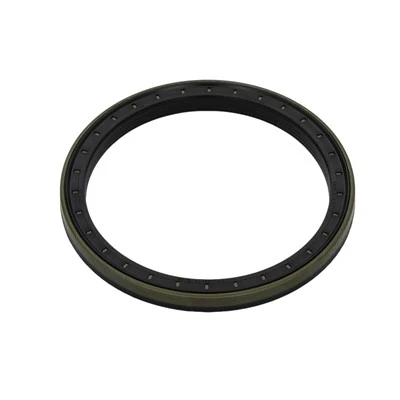
First off, let’s make sure we’re on the same page about what “other automotive seals” even are, because a lot of people lump all seal parts together. When I say other automotive seals, I’m talking about the ones that don’t make it into the top five parts people Google when their car acts up. These are the door weatherstripping that seals out rain and road noise, the hood seals that keep debris from falling into your grille cavity, the trunk lid seals that prevent water from pooling in your spare tire well, the window run channel seals that hold your glass tight and block wind, and even the little seals around your fuel filler neck that stop gas fumes from leaking out and triggering that check engine light. We’re not talking about high-performance engine seals that handle 300-degree Fahrenheit oil and constant pressure—those have their own set of rules. These are the workhorse seals that do their job quietly day in and day out, which is exactly why most people forget they exist… until one day it rains and your back seat floor mats are soaked, or your trunk smells like mold because water’s been seeping in for months.
Now, let’s talk about the biggest factors that dictate how long these seals last, because this is where most old-school mechanics get it wrong. A lot of people will say “rubber seals last 10 years,” but that’s only if you live in a perfect, climate-controlled bubble, and none of us do. First up: material type. Not all of these seals are made from the same stuff, and that makes a huge difference. The cheapest door seals you get at the auto parts store? Usually EPDM rubber, which is great for general weather resistance but breaks down when exposed to harsh chemicals or extreme temps. The better ones I supply? They’re a mix of EPDM with a layer of neoprene or even silicone for extra durability. Silicone, for example, can handle way hotter sun and way colder winters without cracking, which is why it’s my go-to for customers in places like Minnesota or Arizona where the weather swings from -20°F to 110°F in the same year.
Then there’s UV exposure, which is the silent killer of almost all of these seals. If you park your car outside 24/7, no garage, no car cover, your door seals are going to degrade way faster than someone who keeps their car in a garage. UV rays break down the polymer bonds in rubber, making it crack, dry out, and turn brittle over time. I’ve seen seals on 5-year-old cars that look like they’re 20 years old just because their owners never thought to park under a tree or in a shade. On the flip side, I’ve got a set of hood seals for a 2008 Toyota Camry that’s been garage-kept its whole life, and they still look almost new—no cracks, no gaps, no water leaks. That’s not a fluke, that’s just physics.
Next, how you maintain your seals (or don’t) plays a bigger role than most people realize. A lot of folks never touch their door or trunk seals until there’s a problem, but a little regular care goes a long way. If you live in a place with lots of salt on the roads in winter, that salt can eat away at rubber seals over time, so washing your car regularly and wiping down the seals with a soft cloth after road trips prevents that. And yeah, the old trick of conditioning seals with silicone spray or rubber protectant works—don’t use the petroleum-based stuff, though, that actually breaks down rubber faster. I always tell my customers to do that once or twice a year, especially before winter or summer hits. One of my repeat buyers is a fleet manager for a delivery company, and he swears by conditioning their vans’ trunk and door seals every 6 months—they go 120k miles without seal issues, while other fleets of the same van have to replace seals every 50k. That’s proof right there.
Now, let’s get to the actual lifespan numbers, because you’re probably here for that. I’m not going to give you a generic “10 years” line—let’s break it down by seal type, since each has a different job and different exposure:
First, door and trunk lid seals. These are the most common other automotive seals people ask about. Under ideal conditions (garage-kept, no harsh chemicals, regular conditioning), these will last 15 to 20 years. But if you park outside all year, drive in areas with heavy road salt, or never condition them? You’re looking at 7 to 12 years. I recently replaced a set of trunk seals on a 2012 Honda Civic that was a farm truck—owner used to haul hay and grain, never washed the trunk or sealed the edges, and the seals were so brittle they crumbled when he touched them at 8 years old. On the other end, a customer sent me photos of her 2009 Subaru Outback’s door seals that are still perfect—she keeps it in her heated garage, sprays them with silicone spray every spring, and never hauls anything messy in it. That’s 15 years and counting, no leaks, no wind noise.
Next, window run channel seals and weatherstripping around glass. These are a bit different because they rub against your window every time you roll it up or down, so friction adds another layer of wear. Ideal conditions here: 8 to 12 years. Real-world, if you use your windows a lot, drive on dirty dusty roads, or let salt build up in the channel? That drops to 5 to 8 years. I’ve seen windows that get stuck halfway because the run channel seals are so worn they’ve lost their shape, and that’s usually from years of not cleaning the channel out—dirt and grime get in there, make the seal rub against the glass too hard, and wear it out faster. One thing to note: if you have power windows, the motor has to work harder when seals are worn, which can lead to motor failure too—so replacing those seals early saves you more money in the long run.
Then there’s fuel filler neck seals and hood seals. Fuel filler neck seals are small, easy to miss, and their job is to keep gas fumes from escaping (which is required for emissions testing, by the way). These usually last 10 to 15 years, but if you live in a hot climate where gas sits in the tank a lot and the fumes get more intense, that can drop to 5 to 10 years. Hood seals are similar to door seals, but they take less constant movement, so they usually last 12 to 18 years in ideal conditions, 6 to 10 years in harsh conditions. I had a customer last year come to me because his emissions test failed—turns out his fuel filler neck seal was cracked, and it was 11 years old, which is about average for his area. Replaced it, passed the test no problem, and saved him a tow to the emissions shop.
Wait, but what about variable factors I haven’t mentioned yet? Let’s talk about driving style. If you’re off-roading a lot, or driving on super rough dirt roads, that vibration can wear seals out faster—especially the trunk and door seals, which are jostled around constantly. I have a lot of off-road enthusiasts as customers, and they usually replace their other automotive seals every 4 to 6 years because of all the vibration and dust. On the flip side, if you mostly do highway driving with smooth roads, that’s way less wear, so seals last longer. Also, the age of your car when it’s made matters—cars made in the last 10 years use way better polymer blends for seals than cars from the 90s or early 2000s, so modern seals tend to last 2 to 3 years longer on average.
A lot of people also ask, “Do I need to replace my seals before they fail?” And that’s a great question. I always tell customers to inspect their seals every year, especially before winter or summer. Check for cracks, brittleness, gaps where the seal pulls away from the body, or if there’s water leaking into the trunk or back seat after a rain. If you notice any of those signs, don’t wait until it’s a big problem—replace them early. I see way too many people put it off, then end up with mold in their trunk, water damage to their floorboards, or even electrical issues if water gets into the door panel where the window motor or speakers are. Replacing a set of door seals costs way less than fixing water damage, so it’s a no-brainer.
Now, let’s talk about common myths I hear all the time about these seals. First myth: “All seals are the same, so I can get cheap ones from the auto parts store.” No, that’s not true. The cheap ones are made with low-quality rubber that breaks down fast, usually in 3 to 5 years, while the ones I supply are made with OE-spec materials that match the original part, so they last just as long as the factory ones, if not longer. Second myth: “Seals don’t need any maintenance.” We already covered that—conditioning them once a year prevents brittleness and cracks. Third myth: “If my window rolls up fine, the seals are good.” Nope, I’ve had customers tell me their windows work perfectly, but their door seals are cracked and leaking water into the interior—you have to actually check for gaps and dry rot to know.
At the end of the day, the lifespan of other automotive seals really boils down to three things: what they’re made of, how you use your car, and how much you take care of those small, easy-to-forget parts. They don’t make a loud noise, they don’t require fancy repairs, but when they work right, they make your ride way more comfortable and save you from a ton of headaches.

If you’re noticing your seals are cracked, brittle, or causing leaks, or you just want to replace them before they cause problems, feel free to reach out. I supply high-quality, durable other automotive seals that fit all makes and models, with parts that last for years even in harsh driving conditions. Whether you’re a DIY mechanic looking for parts for your own car, or a small repair shop needing bulk seals for your fleet, I’ve got you covered. Hit me up to chat about what you need, and we can get you set up with parts that won’t let you down.
Quad Rings – X Rings References:
- Society of Automotive Engineers (SAE) International. (2021). Performance and Durability of Elastomeric Seals for Light-Duty Vehicle Exterior Applications. SAE Technical Paper Series.
- Automotive Aftermarket Industry Association (AAIA). (2022). Seal Replacement Guidelines for Passenger Vehicles and Light Trucks. AAIA Part Performance Report.
- Rubber Manufacturers Association (RMA). (2020). Durability Factors for Automotive Elastomeric Components Under Variable Environmental and Driving Conditions. RMA Technical Bulletin.
- National Highway Traffic Safety Administration (NHTSA). (2019). Emission System Component Lifespan and Replacement Recommendations for Light-Duty Vehicles. NHTSA Vehicle Maintenance Guide.
- University of Michigan Transportation Research Institute (UMTRI). (2021). Effects of Road Salt and UV Exposure on Automotive Rubber Component Degradation. UMTRI Journal of Automotive Engineering.
Hebei Jinwo Machinery Technology Co., Ltd.
Hebei Jinwo Machinery Technology Co., Ltd. is one of the most professional automotive seal manufacturers and suppliers in China, featured by quality products and good price. Welcome to buy bulk advanced automotive seal in stock here and get pricelist from our factory. We also accept customized orders.
Address: Room 2109, Tower A, Meidong International, No.16 Guang’an Avenue, Chang’an District, Shijiazhuang City, Hebei Province, China
E-mail: info@jinwoseal.com
WebSite: https://www.jinwoseal.com/
